 English
 Bahasa Indonesia
 Bahasa Melayu
 Cebuano
 Dansk
Dansk Deutsch
 Español
 Français
 Italiano
 Nederlands
 Română
 Tiếng Việt
 Türkçe
 Czech
Czech Ślōnskŏ gŏdka
 Татар теле
 Ukrainian
 العربية
 Thai
Thai Portugues
 Hindi
Hindi Greek
Greek Chinese
 Japanese
 Magyar
How Do SoundCloud Artists Make Money?
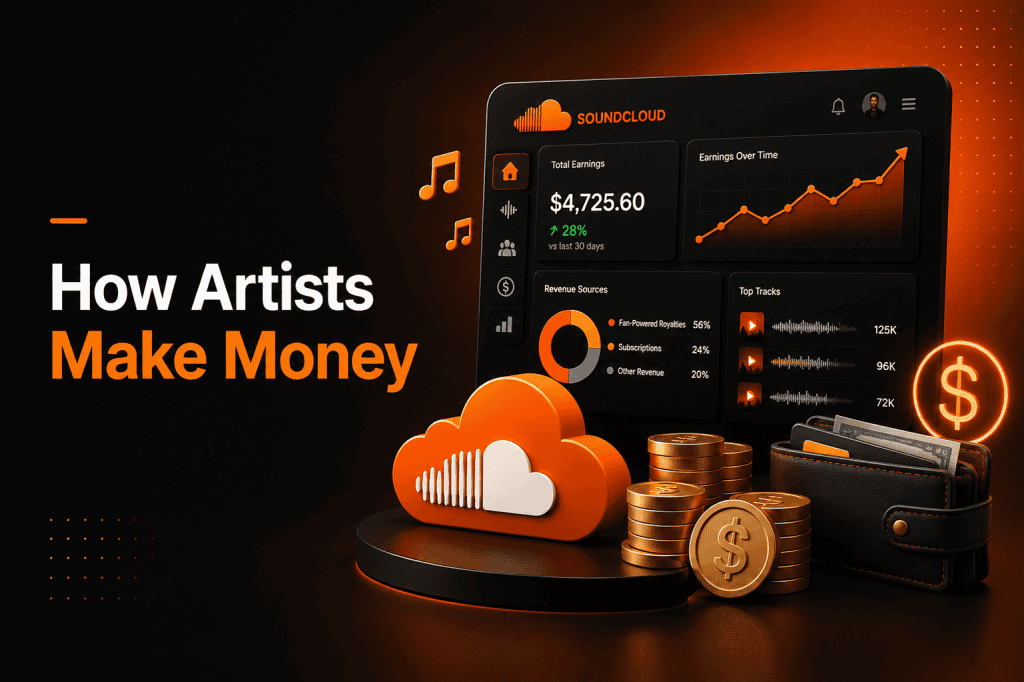
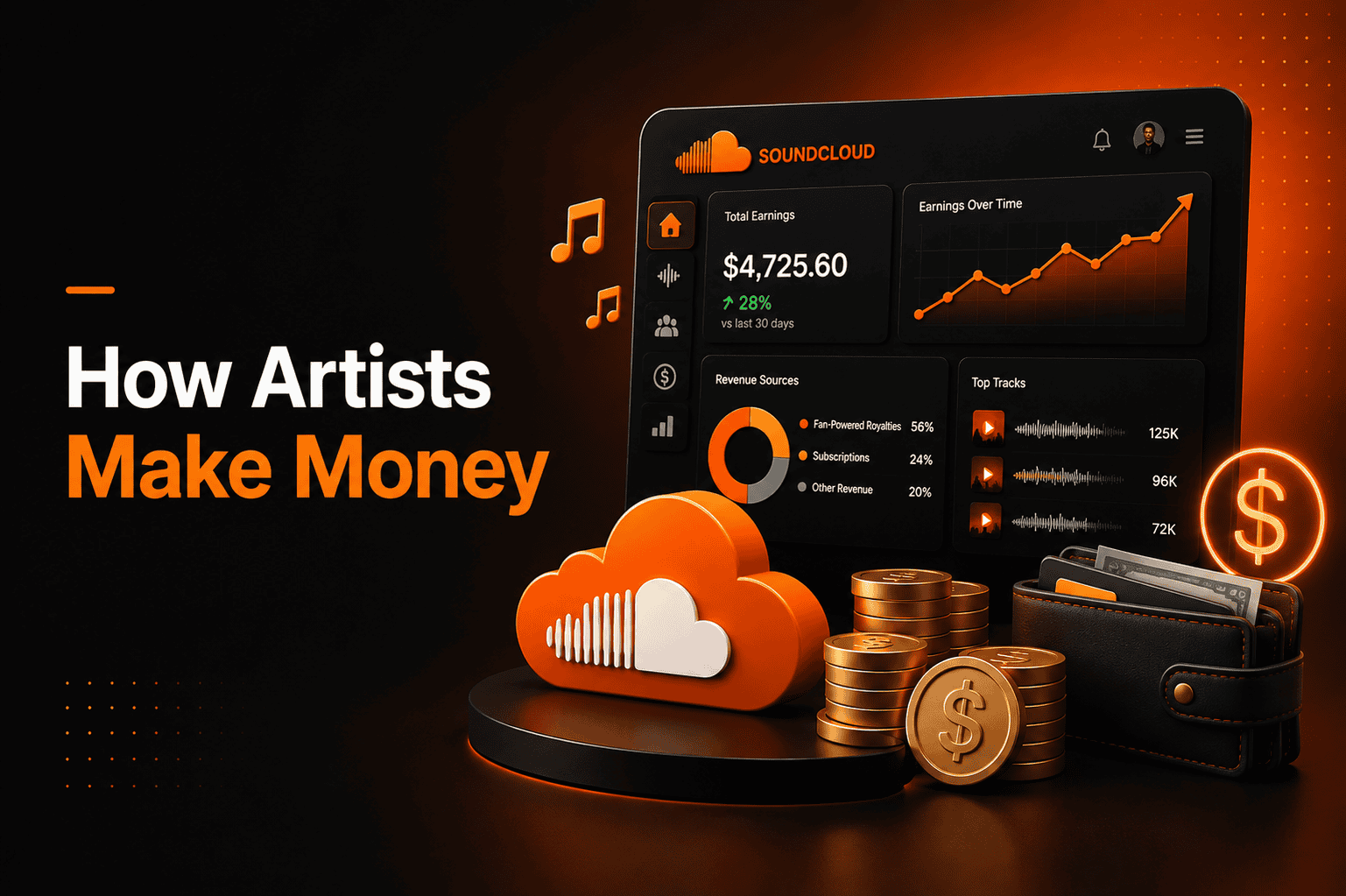
Many new creators ask a simple question: how do SoundCloud artists make money? If you upload music to SoundCloud, you may wonder how streams turn into income. The platform started as a place to share audio, but today it also supports monetization tools for independent artists.
This topic matters because more musicians now release music online instead of through traditional labels. Income from streaming, fans, and brand deals can help artists build a stable career. This guide is for beginners, independent musicians, and curious readers who want a clear explanation. You will learn how monetization works, what problems may appear, and how to improve your results.
What Does SoundCloud Monetization Mean?
SoundCloud monetization is the process of earning money from your uploaded tracks. Artists can join programs that allow ads to run on their music. Many creators earn through the official SoundCloud monetization program, which allows ads and fan-powered royalties.
The main system is based on stream counts and listener engagement. The more real listeners you have, the higher your earning potential. However, income depends on region, audience type, and listening time.
Why It Matters for Independent Artists
In the past, artists depended on record deals. Today, platforms like SoundCloud allow direct distribution. This gives more control over music and income.
Monetization helps artists fund new projects. It can cover studio costs, promotion, and equipment. Even small monthly earnings can grow over time with a loyal audience.
How It Works
To start earning, artists usually need a paid plan, such as SoundCloud Next Pro. This plan gives access to monetization tools and detailed analytics. After approval, ads can appear between or around tracks.
Revenue is calculated based on plays from eligible countries. In many regions, SoundCloud uses a fan-powered royalty model. This means a listener’s subscription fee is distributed only to the artists they actually listen to.
Artists also make money through:
- Fan subscriptions and exclusive content
- Brand partnerships and live performances
These income streams often work together.
Eligibility Requirements for Monetization
Not every account can earn right away. SoundCloud reviews accounts before enabling monetization tools.
Here are common eligibility factors
| Requirement | Why It Matters |
| Active account | Shows consistent creator activity |
| Eligible country | Monetization is available in selected regions |
| Original uploads | Required for revenue approval |
| Minimum engagement | Ensures real listener activity |
Accounts must follow platform guidelines and complete profile setup. Approval time may vary depending on review volume.
How Discovery Affects Revenue
Revenue depends on visibility. If people do not discover your track, they cannot stream it.
SoundCloud uses engagement signals like plays, reposts, likes, comments, and listening time. Tracks with strong early engagement often appear in recommendations and search results.
Listener retention also matters. If users skip a song quickly, distribution may slow down. High completion rates improve reach and increase monetized streams over time. Artists who want higher earnings usually focus on growing their SoundCloud audience first.
How Revenue Is Calculated
Actual payouts depend on listener behavior, which I explain in my guide about SoundCloud pay per stream rates. Understanding the numbers helps avoid confusion. Here are key definitions:
Monetized Stream: A play that qualifies for ad or subscription revenue.
CPM (Cost Per 1,000 Plays): The estimated amount paid per 1,000 eligible streams.
Fan-Powered Model: A system where a listener’s subscription money goes only to artists they listen to.
Example Revenue Table
| Streams | Estimated CPM | Estimated Earnings |
| 10,000 | $2–$4 | $20–$40 |
| 50,000 | $2–$4 | $100–$200 |
| 100,000 | $2–$4 | $200–$400 |
These figures are general industry estimates. Actual payouts vary by region, audience behavior, and subscription mix.
Diversifying income reduces risk. Many successful artists combine streaming revenue, fan support, and offline opportunities.
Known Issues
Many artists expect fast income. In reality, earnings grow slowly at first. Low stream counts mean low payouts.
Another issue is audience targeting. If most listeners are from regions with lower ad rates, revenue may decrease. An incomplete profile setup can also delay the approval of monetization.
Consistency and promotion are key to solving these problems.
Pros and Cons
Pros:
- Direct income from your own audience
- Full control over your uploads
Cons:
- Revenue depends on stream volume
- Requires steady audience growth
For many creators, the benefits outweigh the limits.
Scenario Breakdown
Imagine an artist gets 100,000 monetized streams in one month. Industry estimates suggest earnings may range between $2 and $4 per 1,000 monetized streams, depending on audience location and ad demand. That could result in about $200 to $400 for that month.
If the same artist also sells exclusive content to 200 fans at $5 per month, that adds another $1,000 monthly. This shows how combining income sources increases stability.
Additional Income Streams Beyond Streams
Streaming revenue is only one part of the picture. Many artists grow income through ecosystem strategies connected to SoundCloud.
Some creators use repost networks to expand reach. Others promote merchandise, offer private fan communities, or sell exclusive releases.
Live performances and brand collaborations can also increase total income. Diversifying revenue reduces dependence on stream counts alone.
Conclusion
So, how do SoundCloud artists make money? They earn through monetized streams, fan subscriptions, partnerships, and audience support. Revenue depends on audience size, engagement quality, and smart promotion.
SoundCloud gives independent artists tools to grow without traditional gatekeepers. Earnings may start small, but consistent uploads and loyal listeners can build a steady income over time. When artists understand analytics, diversify revenue, and focus on engagement, the platform can become a real long-term income source.
Frequently Asked Questions
1. Is making money on SoundCloud safe?
Yes, using official monetization tools inside SoundCloud is generally safe. Always use verified accounts and follow platform guidelines.
2. Is it legal to earn from SoundCloud streams?
Yes, artists can legally earn from their own uploaded content if they follow the platform’s monetization policies and regional requirements.
3. Does monetization work on mobile?
Yes, streams from the SoundCloud mobile app count if they meet eligibility requirements. Mobile listeners make up a large portion of total plays.
4. Why does monetization sometimes fail?
It may fail due to low stream counts, ineligible regions, incomplete account setup, or unmet eligibility criteria. Checking analytics and account status usually helps.
5. How much do SoundCloud artists earn per stream?
Earnings are not fixed per stream. Revenue is usually calculated per 1,000 monetized plays and depends on audience location and ad demand.
6. What are the alternatives to SoundCloud monetization?
Artists can also use platforms like Spotify and YouTube for streaming-based income. Some creators also use crowdfunding, merchandise stores, or direct fan support models.